TRT Replacement Therapy Near Me: A Local Guide to Hormone Optimization

Searching for TRT replacement therapy near me usually starts the same way. A man in his late thirties, forties, or fifties notices that something feels off. Energy drops. Recovery from workouts slows down. Focus gets patchy. Libido is not what it used to be. Sleep becomes lighter, mood flatter, body composition harder to manage. He wonders whether this is stress, aging, poor sleep, or low testosterone. Then he opens a browser and starts looking for local help.
That search matters, because testosterone replacement therapy is not a haircut, a quick supplement purchase, or a casual med spa add-on. Good TRT is careful medicine. It involves clinical judgment, lab interpretation, symptom tracking, and ongoing monitoring. The difference between a well-run local clinic and a careless one can show up in your bloodwork, your blood pressure, your fertility, and how you feel six months later.
Finding the right provider near you is not just about distance from home. It is about whether the clinic knows how to diagnose properly, prescribe responsibly, and follow through over time.
Why men start looking in the first place
Low testosterone rarely announces itself with one dramatic symptom. More often, it creeps in. A patient might tell me he used to train four days a week and feel good doing it. Now he drags through two workouts and needs an afternoon nap. Another says his motivation is gone, but his job has not changed and his sleep is decent. Another notices increased belly fat despite eating roughly the same way he always has.
Those stories are common, but they are not specific to low testosterone. Sleep apnea, chronic stress, depression, thyroid issues, poor nutrition, overtraining, excess alcohol, certain medications, and insulin resistance can all create a similar picture. That is why a legitimate TRT clinic should never diagnose you based on a symptom quiz alone.
The best local providers start with context. They ask about sleep, medications, family history, fertility goals, alcohol intake, body fat changes, strength decline, and sexual health. They do not rush to sell a vial before they understand the whole picture.
What TRT actually is, and what it is not
TRT replacement therapy near meTestosterone replacement therapy is a medical treatment used to restore testosterone levels in men with confirmed deficiency and compatible symptoms. That sounds simple, but there is nuance in every word of that sentence.
Confirmed deficiency means blood testing, usually more than once, ideally in the morning when testosterone levels are naturally higher. Compatible symptoms means the lab value is part of the story, not the entire story. A man can have a low-normal number and feel terrible, or a borderline low number and have an explanation unrelated to hormones. A good clinician interprets the data in context.
TRT is not a shortcut for poor habits. If someone is sleeping five hours a night, carrying untreated sleep apnea, eating erratically, drinking heavily on weekends, and working under constant stress, testosterone therapy may help less than expected or create false expectations. It also is not the same thing as the supraphysiologic steroid cycles used in bodybuilding. Proper medical TRT aims to restore levels to a healthy range, not push them into extremes.
That distinction is worth protecting, especially when you are evaluating clinics in your area. The marketing can look polished. The medical standards vary more than most people realize.
What “near me” should really mean
Local care has real advantages. It is easier to get blood draws done on schedule. If you develop side effects, have travel questions, or need an injection technique corrected, you can often be seen quickly. You may also have stronger continuity with the same clinician, which matters when dosing changes are based on trends rather than snapshots.
But proximity alone is not enough. The closest clinic may be the least careful. A better way to think about “near me” is this: close enough for practical follow-up, qualified enough to trust with long-term hormone management.
In many cities, the choices fall into a few buckets. There are primary care practices that handle TRT conservatively and only for straightforward cases. There are urology and men’s health clinics with deeper experience in hormone management, sexual function, and fertility considerations. There are endocrinology practices, which may be excellent for complex hormone cases but often vary in how actively they manage symptomatic low testosterone. Then there are wellness clinics and med spas, some run responsibly, some clearly built around volume and recurring subscriptions.
I have seen men do well in each of the first three settings. I have also seen men arrive from cash-pay clinics with no baseline estradiol, no hematocrit follow-up, and no useful documentation beyond a monthly charge and a bottle of medication. Local access is valuable. Medical standards matter more.
The first appointment should feel thorough, not sales-driven
A good TRT evaluation rarely feels rushed. The clinician should ask enough questions that you leave with the sense that your symptoms were interpreted, not just recorded.
Expect discussion around sexual symptoms, energy, mood, cognitive changes, strength, body composition, sleep quality, sleep apnea risk, fertility plans, medication use, anabolic steroid history, testicular issues, head trauma, and chronic disease. Some men are surprised by how often fertility comes up. It should. Exogenous testosterone can suppress sperm production, sometimes significantly. If you want children now or in the future, that conversation belongs at the front of the process, not after a prescription is already started.
Baseline labs should also go beyond a single testosterone value. Specific panels vary by clinician, but thoughtful workups often include total testosterone, free testosterone or a method to estimate it appropriately, sex hormone binding globulin when helpful, luteinizing hormone, follicle-stimulating hormone, estradiol in selected cases, complete blood count, comprehensive metabolic panel, and prostate-specific antigen for some patients based on age and risk profile. Thyroid testing, prolactin, A1c, and lipid markers may also be relevant depending on symptoms and history.
If a clinic offers TRT after one rushed telehealth call and no meaningful screening, that is not efficiency. That is a warning sign.
Red flags when evaluating a local TRT clinic
A surprisingly large number of clinics market confidence more aggressively than they practice medicine. You do not need a perfect provider, but you do want to avoid obvious problems.
- They prescribe after a single lab draw without reviewing symptoms, sleep, weight changes, or fertility goals.
- They advertise testosterone as a universal fix for fatigue, belly fat, or aging.
- They cannot clearly explain how often they monitor hematocrit, PSA when appropriate, blood pressure, and symptom response.
- They push the same protocol on every patient, regardless of age, baseline levels, or fertility concerns.
- They avoid discussing risks, side effects, or the possibility that you may not be a good candidate.
That last point matters. A serious clinician is willing to say, “Not yet,” or “Not unless we address these other issues first.” Men usually respect that once they understand the reasoning.
How treatment is usually delivered
Most TRT in the United States is prescribed as injections, topical gels, or less commonly patches, pellets, or other formulations. Each option has trade-offs. A responsible provider will match the method to your lifestyle, symptom pattern, cost tolerance, and ability to follow up.
Injections are popular because they are generally effective, flexible, and often more affordable. Some patients do well with once-weekly injections. Others feel better with smaller doses given more frequently, depending on how they metabolize the medication and how stable they feel between doses. Technique matters. So does consistency. A local clinic can be useful if you are nervous about self-injection or want early guidance before transitioning to at-home dosing.
Topical gels avoid needles and can provide steady daily absorption, but they require discipline. They can also transfer to partners or children through skin contact if precautions are not followed carefully. Pellets appeal to men who do not want frequent dosing, but they are less flexible once placed and can be frustrating if the response is too little or too much.
There is no single best form of TRT for every man. There is only the form that best fits your physiology, priorities, and follow-up reliability.
What good follow-up looks like
The early months of TRT should not run on autopilot. Most men do not need endless appointments, but they do need structured follow-up.
Symptom changes can start within weeks, but they are rarely immediate or perfectly linear. Libido may improve before body composition changes. Energy may improve while sleep still needs work. Some men feel “better” quickly because they are paying closer attention to recovery, food, training, and alcohol intake at the same time. That is not a bad thing, but it does make honest follow-up more important.
Lab timing also matters. Testosterone levels can look different depending on whether blood is drawn at peak, trough, or mid-interval after an injection. If a clinic changes your dose without paying attention to timing, they may be reacting to numbers that are not comparable from one draw to the next.
A steady, competent TRT practice usually tracks how you feel, how your labs trend, and whether the dose is doing what it is supposed to do without creating new problems. Rising hematocrit, acne, fluid retention, mood volatility, elevated blood pressure, or worsened sleep apnea symptoms should not be brushed off as minor inconveniences. Sometimes they are manageable. Sometimes they signal a need to adjust dose, frequency, formulation, or whether TRT remains the right move.
The fertility question deserves more attention than it gets
One of the biggest misunderstandings around testosterone therapy is that it automatically supports male reproductive health in every sense. It often improves libido and sexual function in men who are truly testosterone deficient, but it can suppress the body’s own signaling to the testes and reduce sperm production.
That does not mean every man on TRT becomes infertile. It does mean the risk is real, and the timeline matters. If you are actively trying to conceive, planning to try within the next year or two, or simply want to preserve options, your local provider should talk through alternatives or adjunctive strategies. In some cases, referral to a urologist or reproductive specialist is appropriate before treatment starts.
This is one area where men often regret not asking better questions. The clinic that seems most convenient today may be the one that gave you the least useful counseling.
Cost, convenience, and the difference between cheap and expensive
TRT pricing varies widely. Part of that is geography. Part of it is business model. Some local clinics bundle visits, medication, supplies, and labs into a monthly membership. Others bill visits through insurance but send prescriptions to a local pharmacy. Some are cash-pay only. Some include TRT replacement therapy near me frequent follow-up and individualized care. Others charge premium rates for what is basically a refill service.
The lowest monthly price is not always the best value. If the clinic under-orders labs, cuts visit time short, or overprescribes add-on medications you do not need, you may pay for that later in side effects or poor outcomes. On the other hand, the most expensive clinic in town is not automatically the most sophisticated. Good care often looks fairly ordinary from the outside: careful history, smart lab work, realistic expectations, appropriate dosing, steady follow-up.
If you are comparing local options, ask what the fee actually covers. That single question can save a lot of confusion.
Questions worth asking before you commit
When men search for TRT replacement therapy near me, they often focus on location, hours, and online reviews. Those are not meaningless, but they do not tell you enough. The quality of the first phone call or consultation often reveals more.
Here are a few useful questions to ask a clinic before you book or at the first visit:
- How do you confirm whether someone is an appropriate candidate for TRT?
- What baseline labs do you usually order before starting treatment?
- How often do you repeat labs after starting, and what markers do you follow?
- How do you handle patients who want to preserve fertility?
- Who manages dose adjustments if symptoms improve but labs or side effects become concerning?
You do not need a scripted interrogation. You are listening for depth, clarity, and comfort with nuance. If the answer to every question sounds like a sales line, keep looking.
Reviews can help, but they can also mislead
Online reviews for hormone clinics tend to skew toward extremes. Some men post five stars because they felt a burst of energy in the first month and liked the front desk staff. Others post one star over billing issues that have nothing to do with clinical quality. Neither tells you much about whether the provider understands long-term testosterone management.
The most useful reviews mention specifics without sounding rehearsed. Did the clinic explain the workup? Were follow-up labs ordered on time? Did the clinician discuss risks and alternatives? Was the dose adjusted thoughtfully rather than reflexively? Did they respond appropriately when side effects came up?
Even then, a review is not a medical credential. If a clinic’s website is heavy on transformation language and light on physician oversight, actual protocols, or monitoring practices, trust what you are seeing.
Lifestyle still matters, even with excellent TRT
Some men are disappointed when TRT helps, but not dramatically. Often the missing piece is not the medication. It is everything around it.
Testosterone therapy tends to work best when the basics are addressed. If a patient starts sleeping seven and a half hours instead of five and a half, treats sleep apnea, reduces visceral fat, lifts consistently, eats enough protein, and cuts back on heavy drinking, TRT often has a clearer lane to do its job. Without those changes, it may still help, but the results can feel blunted.
I have seen men chase dose increases when what they really needed was treatment for sleep apnea and ten fewer pounds around the waist. I have also seen men finally feel like themselves again once a sensible TRT protocol was paired with better recovery habits. Hormones do not replace physiology. They work within it.
What outcomes are realistic
Realistic expectations protect patients from disappointment and poor decision-making. Properly managed TRT can improve libido, energy, mood, concentration, muscle retention, recovery, and overall sense of well-being in men who are truly deficient. It may also help with bone density over time and support healthier body composition when paired with training and diet.
What it does not do is instantly rebuild discipline, erase chronic stress, or convert a neglected body into an optimized one in a month. It also does not guarantee the same response in every patient. Some men report a dramatic improvement. Others feel moderate but meaningful changes. A smaller group discovers that low testosterone was only one piece of a more complicated problem.
The best clinics set that tone early. They do not promise transformation. They promise careful management and honest reassessment.
Local versus online TRT care
Telemedicine has expanded access, and for many men that is a genuine advantage. If you live in a smaller town with limited hormone expertise, a reputable telehealth model paired with local lab access may be better than a nearby clinic that cuts corners. Still, there are reasons local care remains attractive.
A local practice can examine you in person, check blood pressure on site, coordinate with your primary care doctor more directly, and help with practical issues like injection teaching or urgent concerns. If you already have a strong relationship with a local primary care physician or urologist who is comfortable managing TRT, that continuity can be hard to beat.
The choice is not ideological. It is practical. The right answer depends on who is actually providing the better medicine.
Who should pause before starting
Some men should move carefully, or not start at all until other issues are addressed. Untreated severe sleep apnea, uncontrolled heart failure, certain prostate concerns, markedly elevated hematocrit, active fertility efforts, or unresolved causes of fatigue can all change the conversation. So can a history of anabolic steroid misuse, because expectations and endocrine recovery patterns may be very different.
This is where local expertise matters. The best clinicians are not simply gatekeepers or enablers. They are interpreters. They know when testosterone is likely to help, when it may complicate things, and when another diagnosis deserves attention first.
Choosing a clinic you can stay with
TRT is rarely a one-visit decision. If you start therapy and it works well, you may be working with that clinic for years. That makes small details more important than they seem on day one.
Pay attention to whether the office is organized. Notice whether they explain lab timing clearly. See whether they answer practical questions without sounding annoyed. Find out how refills are handled when you travel. Ask who you contact if you develop side effects. These are not glamorous details, but they strongly predict whether treatment will feel sustainable.
The search for TRT replacement therapy near me should end with more than a short drive and a prescription. It should lead to a clinic that practices cautious, evidence-aware care, respects trade-offs, and treats hormone optimization like the ongoing medical relationship it is. When you find that combination locally, convenience becomes an advantage instead of a compromise.
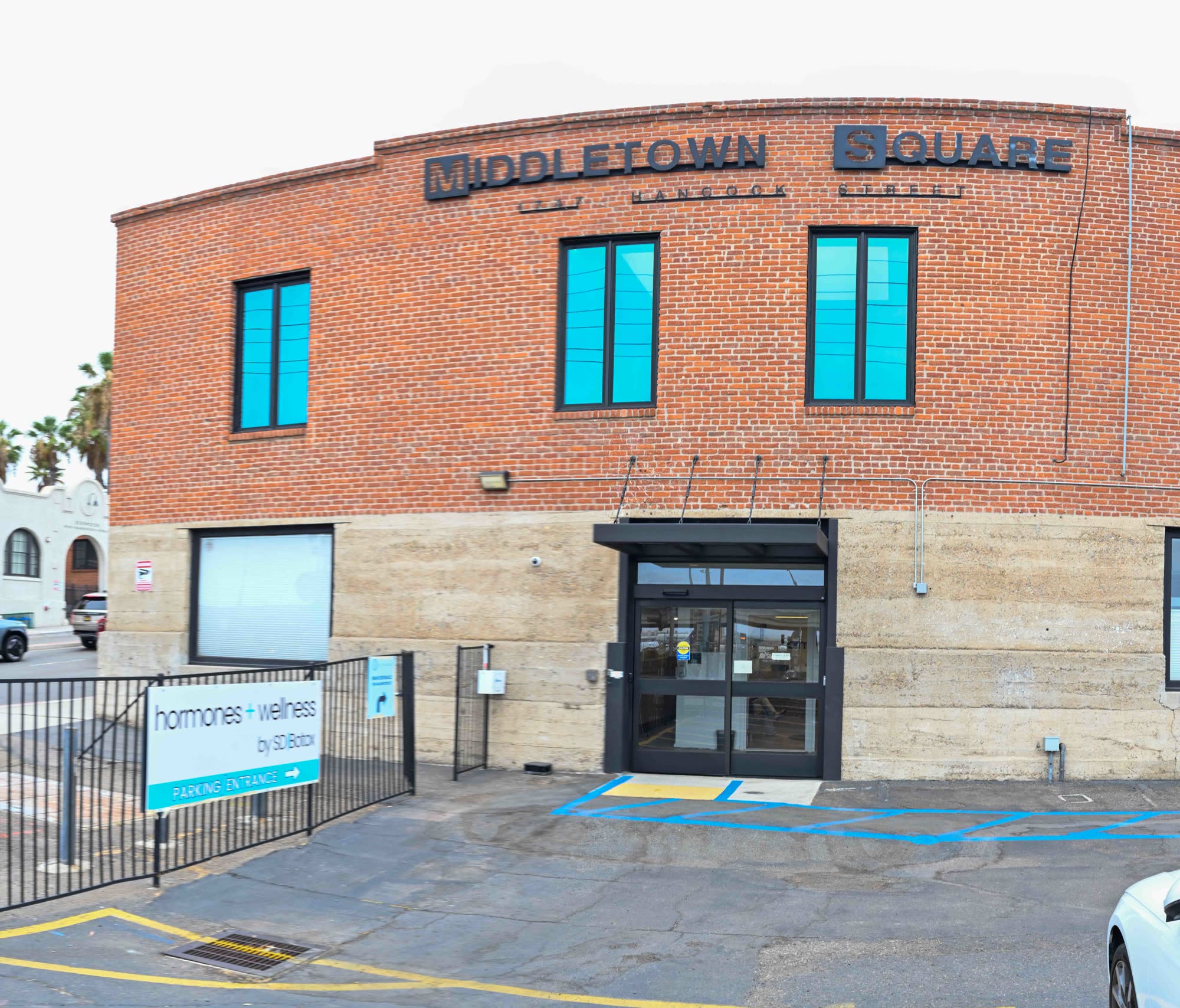
SDBody Mission Hills
Address: 1747 Hancock St Ste C, San Diego, CA 92101
Phone: (619) 772-0252
FAQ About TRT replacement therapy near me
How do I know if I need testosterone replacement therapy?
A clinician evaluates your symptoms and medical history and usually checks testosterone on two separate mornings. Consistently low levels and compatible symptoms help guide the decision.
What monitoring is needed during testosterone replacement therapy?
Follow-up usually includes a review of symptoms, testosterone levels and red blood cell counts. Your clinician may recommend additional monitoring based on your health history.
Can testosterone replacement therapy affect fertility?
Prescribed testosterone can reduce sperm production. Tell your clinician if you plan to have children so you can discuss your options before starting treatment.